
Water Managed Before It Becomes Damage
Drainage Solutions in Palm Harbor for properties experiencing standing water, runoff concerns, or saturation after seasonal rainfall
Heavy seasonal rainfall and relatively flat terrain create conditions where water has nowhere to go once it reaches ground level. You notice pooling near foundations, saturated lawn areas that remain soft for days, or runoff that collects against hardscapes instead of draining away. STF Site Management LLC develops drainage solutions in Palm Harbor and surrounding areas by evaluating how water enters your property, where it accumulates, and what site features contribute to poor movement. Florida's intense summer storms deliver high-volume rainfall in short periods, overwhelming inadequate slope or compacted soil that prevents absorption.
Addressing drainage begins with assessing existing grade, identifying low spots where water settles, and determining whether surface adjustments, subsurface features, or a combination of both will redirect flow. Solutions depend on soil permeability, surrounding property elevations, and what permanent improvements already exist or are planned for the outdoor space.
Schedule a drainage assessment to identify water movement patterns and site-specific concerns.
How Effective Drainage Changes Property Function
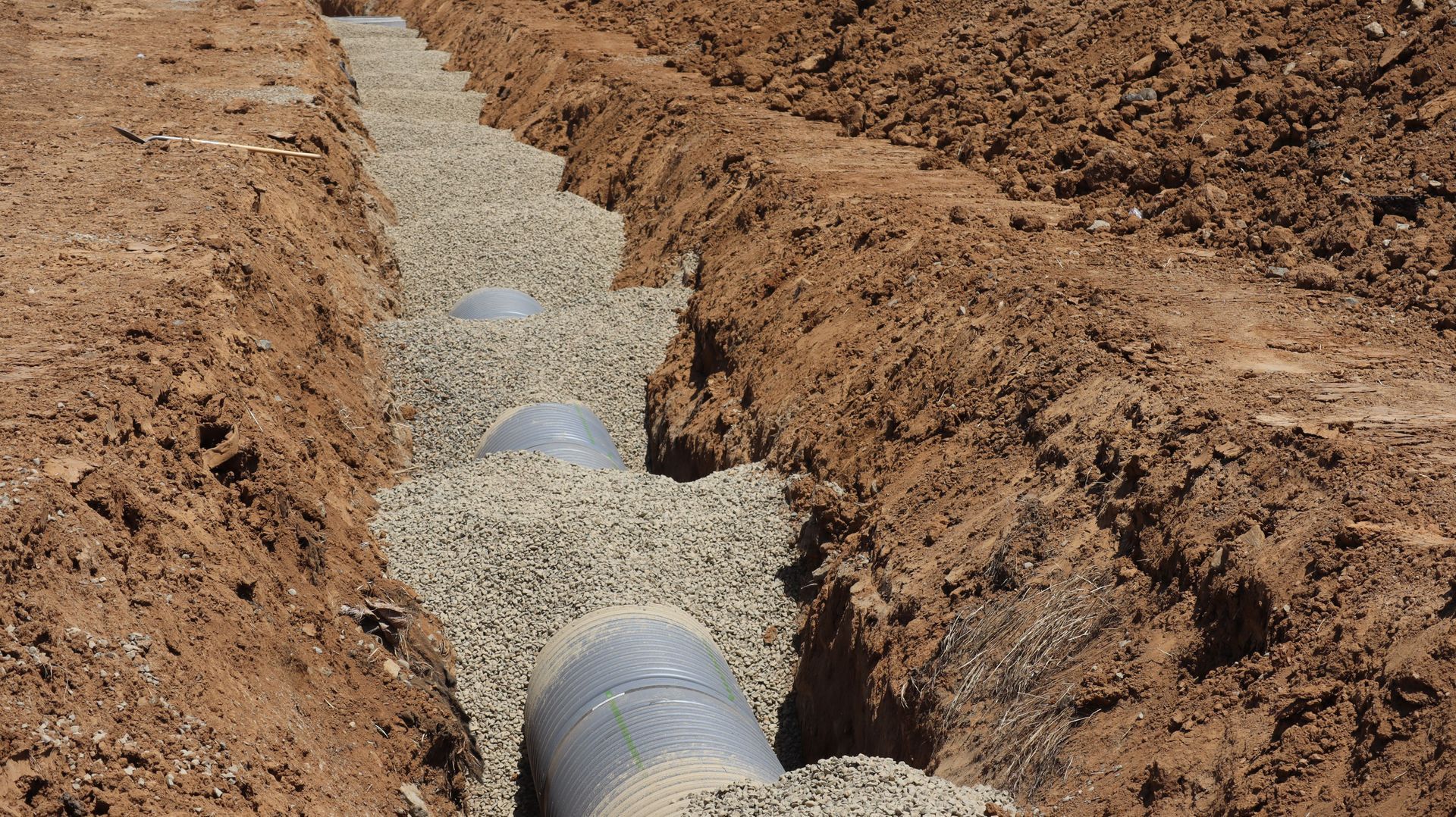
Drainage planning considers grading adjustments to establish controlled slopes, surface materials that allow or resist water penetration, and installation of features such as swales, catch basins, or subsurface lines when surface slope alone cannot manage volume. Each property presents different challenges—some require minor regrading to eliminate depressions, while others need integrated systems that collect and redirect water away from structures and usable outdoor areas.
Once drainage improvements are in place, water moves predictably across your property instead of pooling randomly, soil dries within a reasonable timeframe after storms, and saturated areas no longer prevent access or damage plantings. Hardscapes remain stable because water drains away from their bases rather than saturating the material beneath pavers or retaining walls.
Drainage work often connects with grading to reshape surfaces, excavation to install subsurface components, and hardscape planning to ensure patios and walkways don't obstruct water flow. The approach varies based on whether the property is being prepared for new landscaping, already developed with features that must remain, or transitioning from rough ground toward finished outdoor living areas.
Common Questions About This Service
Property owners need to understand what drainage solutions involve and how they integrate with other site improvements before beginning work.
What causes persistent standing water even on properties with some slope?
Compacted soil from construction traffic or clay-heavy composition prevents water absorption, depressions form where fill wasn't properly compacted, or surrounding properties drain onto your land faster than existing grade can redirect the combined volume away.
How do drainage solutions account for Palm Harbor's flat terrain?
When natural slope is minimal, drainage design creates intentional high and low points through grading, installs subsurface collection systems to move water below grade, or builds swales that channel flow toward street drainage or designated exit points without relying on steep surface angles.
When should drainage planning happen relative to other outdoor projects?
Drainage assessment should occur before hardscape installation, major landscaping, or any construction that changes existing grade, so that water management integrates into the overall site design rather than being retrofitted around features that may obstruct proper flow.
What's included in a drainage solution versus what requires separate services?
Drainage solutions involve evaluating water movement and implementing features to redirect flow, but may require grading work to adjust slopes, excavation to install subsurface components, or coordination with hardscape installation to ensure pavers and walls don't block drainage paths.
Can adding drainage features solve problems caused by poor grading?
Drainage features such as catch basins or French drains collect and move water, but if the surrounding surface still slopes toward structures or low spots remain after installation, water will continue pooling before reaching collection points—effective drainage usually requires both proper grade and appropriate features working together.
STF Site Management LLC evaluates how water behaves on your property and recommends solutions that address root causes rather than surface symptoms. Request a property evaluation to move from water management concerns toward outdoor areas that drain effectively through all weather conditions.